Yes, it's a video game post but no, it's not about video game music!
Video games have come a long way over the last couple of decades, not just in terms of graphics and gameplay but also music use. When game developers decided to license actual songs instead of relying entirely on music specifically made for the title, most of the time it was just to offer additional background music (see GTA radio stations). However, now and then, the game developers knew that certain gameplay moments couldn't be experienced without a specific track playing and that's what this post is all about; a celebration of those times when a song came on, the stars aligned and all was right with the world just for a few minutes.
These moments don't occur that often, which is probably what makes them even greater, but in no particular order, here are ten times that video games reached the next level (no pun intended) with their uses of licensed music and/or songs by real bands recorded specifically for a game. Note: I'm not including songs licensed just for the game's soundtrack that are heard randomly and without purpose; these songs have to be heard at scripted events to be counted. I'm also not including songs from rhythm music games (Guitar Hero, Rock Band, etc) and I'm aiming to only include one song per game franchise, so no repeat uses of Saints Row tracks.
1. "Children Of The Elder God" - Poets Of The Fall
Used in Alan Wake (2010)
Alan Wake is a game about a writer trying to survive an attack by vicious, possessed creatures in a dark wood. It largely involves a lot of walking, some gun play and a bit of psychological horror. However, one section takes you to a stage in the middle of the woods where the fictional band Old Gods Of Asgard used to play. The game then treats you to a level where the stage lights up and monsters attempt to attack you whilst this song plays from start to finish. Needless to say, it's fucking awesome (if not a little out of place). The song is technically by Poets Of The Fall although I believe the track is credited to their fictional name in the game. Either way, the combination of the great song, the fun level and the welcome break from all the creepiness makes this a highly memorable moment.
2. "Opposites Attract" - Paula Abdul
Used in Saints Row IV (2013)
Saints Row started off as a fun little GTA clone but soon evolved into something much, MUCH better when Saints Row IV came around (although I hear Saints Row The Third is also fantastic). There are many great song uses in this game, including a side mission where you do a pole dance to "Simply Irresistible" - Robert Palmer and escape from an alien mothership to "What Is Love" - Haddaway. However, my personal favourite is a little more low key than those. You're driving with your friend on your way to start the mission (some shooting/fighting affair, no big deal) when "Opposites Attract" comes on over the radio. Your character and your friend then proceed to sing along, playing both parts regardless of which gender or voice actor you choose to play The Boss. It's a particularly fun little section in a game filled with over-the-top missions and music moments...it also helped me get into this song and inspired me to learn all of the lyrics too, although let's not dwell on that.
3. "Painkiller" - Judas Priest
Used in Brutal Legend (2009)
This song was almost going to be "Children Of The Grave" - Black Sabbath or "Through The Fire And Flames" - DragonForce but then I remembered the final boss. Whilst those songs had great uses in this third person hack n slash/RTS inspired by the art and music of Heavy Metal, the final battle of the game is amplified all the more by this epic battle anthem. It's a shame the final boss itself is a lame battle on its own but this song takes it to far higher levels. Hopefully one day we'll get a Brutal Legend 2 before all the Rock/Metal musicians die and the tracks are too expensive to license but hey, at least we can always relive this game.
4. "Still Alive" - Jonathan Coulton
Used in Portal (2007)
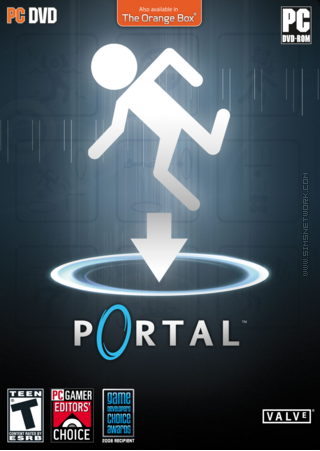
Portal is regarded as one of the greatest video games due to its unique puzzle solving elements and humour, although I've never actually played much of it myself. I played a bit on a demo and can't say I cared for it but there is one thing I enjoyed: the song used in the credits. Another track written specifically for the game that sung from the perspective of the game's AI antagonist; a hauntingly optimistic look at the game's events that fans have praised for over a decade. Whilst my enjoyment of the song has faded since I first heard it, I still acknowledge that it's a necessary factor in what makes Portal such a memorable game. It's rightfully taken its place in video game Pop culture, much like "the cake is a lie"...although I prefer "Still Alive".
5. "Gone Guru" - Lifeseeker
Used in Dead Rising (2006)
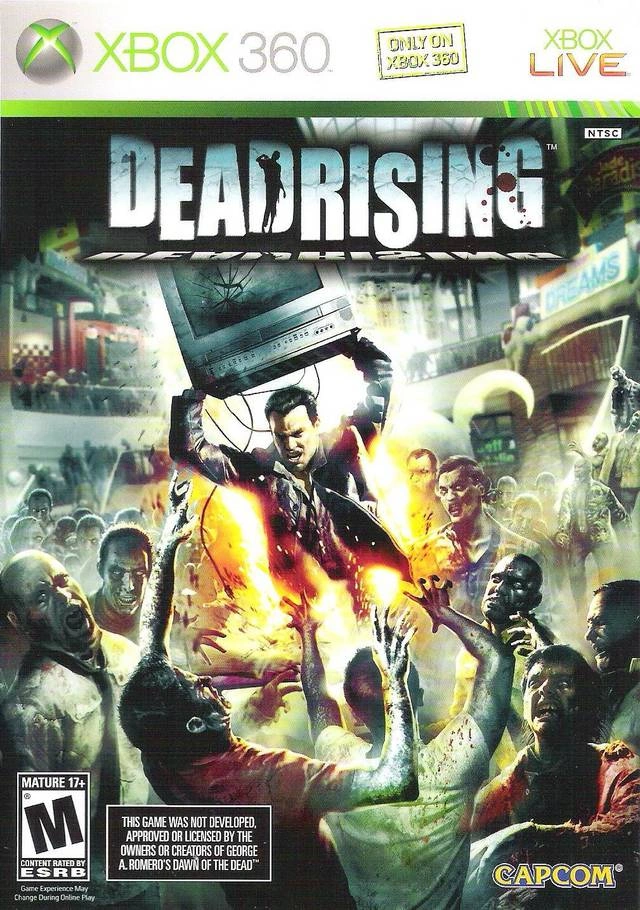
Yep, I'm even including Hip Hop songs in this list. Whilst I couldn't give a shit about the rapping throughout, the opening guitar notes will always make me think of the prison inmates fight from Dead Rising. Basically, you're stuck in a supermarket overrun with zombies and somehow, a bunch of prisoners have not only escaped but acquired a military vehicle with a machine gun on it. They then drive to the park section of the supermarket where they proceed to spend the majority of the game driving around attempting to kill you instead of looting or, say, escaping. However, every time you enter the park with the convicts around, this song plays...and my God, it is chilling.
See, the zombies in this game are pretty easy to kill. The convicts, however? Pain in the arse. Not only that but they are lethal to any survivors you've got with you, making them a genuine threat to survival that you often have to navigate your way around rather than take head on. Oh, and they respawn. What this means is even after you successfully kill them, you can revisit the park and immediately realise that you're in for a challenge...all because of "Gone Guru" and those opening guitar notes. It's one of the game's scariest moments, all thanks to a single song. Well played, Capcom.
6. "Bad Voodoo" - Kreeps
Used in Red Dead Redemption: Undead Nightmare (2010)
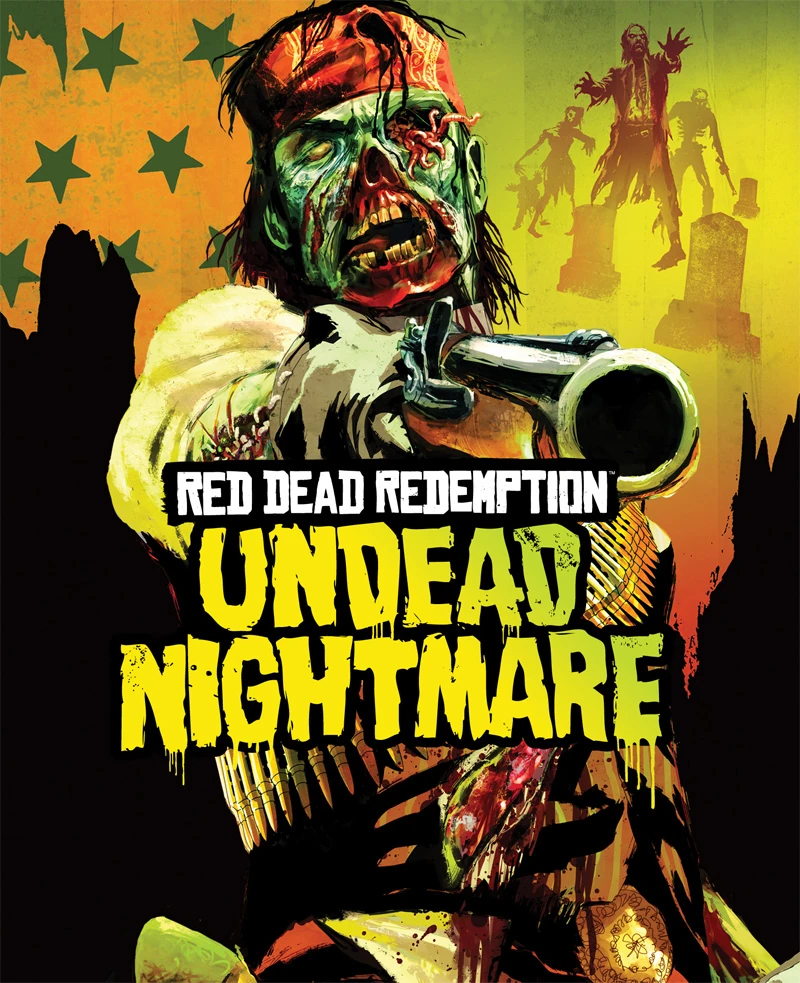
I'd probably be less inclined to include DLC expansions in this list if Undead Nightmare wasn't the single greatest DLC expansion to ever exist. Red Dead Redemption is a fun third person cowboy action game but Undead Nightmare mixes things up with the addition of zombies, completely changing the style of gameplay you might be used to and adding all new levels of fun to an already decent game. The music is creepy and atmospheric but towards the end of the game, you're tasked with riding to Mexico to seek someone out. You get on your horse, you start riding and BAM, this song comes in loud and proud. At first, it sounds like it could be part of the game's score but then the vocals come in as you storm across the fields of death. Most people claim "Far Away" - Jose Gonzales is a great use of licensed music in a game but I still love this song and use.
7. "She Changes Like The Weather" - Nic Armstrong
Used in Destroy All Humans! 2 (2006)
I loved this game when it first came out. Not just because destroying buildings and killing people as an alien was fun to a kid but the improvements made between DaH! and DaH!2 were phenomenal. New weapons, globetrotting locations, decent side missions, proper bodysnatching AND licensed music that sounded great. You'd think that a game taking place in the 60s would license a load of 60s Garage Rock but (presumably) to save on the costs, they instead went for modern music that SOUNDED like 60s Rock. One of the songs featuring prominently throughout the game is "She Changes Like The Weather", a sort of Beatlesque number with a catchy vocal melody. It can be heard near record shops AND towards the end of the game, it plays during a chaotic clash inside a moon base. Maybe it's just because the contrast of this peaceful sounding song and all the fighting going on reminds me of The Prisoner (they used "All You Need Is Love" - The Beatles during a gunfight in the final episode) but I loved hearing it during gameplay, even if it wasn't necessarily my favourite track licensed for the game. I also loved "Help You Ann" - Lyres playing during one of the side missions, although unfortunately that side mission can eat a dick.
8. "Ain't No Rest For The Wicked" - Cage The Elephant
Used in Borderlands (2009)
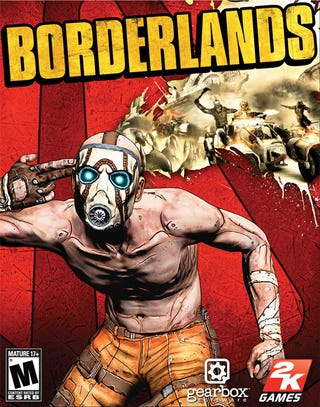
I'm not a big fan of FPS games but the intro to Borderlands was enough to convince me to give this a try. In the end, I gave it up because my PC couldn't handle it but enough about personal shit, let's talk music! The opening cinematic does an exceptional job of setting the tone, introducing the characters and giving us a snapshot of the world you're about to become a part of and it wouldn't be the same without the action choreographed to "Ain't No Rest For The Wicked". It's the perfect blend of gritty and wacky, just like Borderlands, and lyrically it's exactly the kind of message you need to understand everything you need to know about the characters. I've heard the second game has a decent use of "Short Change Hero" - The Heavy but this is the only game I've played of the Borderlands franchise, so this is the one that struck a chord with me.
9. "Mickey" - Toni Basil
Used in Lollipop Chainsaw (2012)
Another game with an underrated little soundtrack. Lollipop Chainsaw saw you playing as a cheerleader/zombie hunter who carried a comically oversized chainsaw and the still-alive severed head of her boyfriend as she aimed to save each member of her family from the undead. Whilst the game had several great licensed music uses (the Dead Or Alive song during the farm level was also a contender for this list), I never got tired of hearing "Mickey" play every time I powered up and entered sparkle mode or whatever the fuck it was called. It's a song that works not only as a cute little Pop number or the credits song but also as a battle anthem for tearing through zombies. Who knew?
10. "Get It Together" - The Go! Team
Used in LittleBigPlanet (2008)
I hated this game when I played it. I can't remember which level I got to but I remember the realistic gravity and 2D platforming did nothing but piss me off. However, there is one great thing about this game: the use of "Get It Together" - The Go! Team, a charming little Indie number used heavily in the game's promotion but also during some of the levels. The mediocre platforming sections are greatly improved by this quirky tune's presence and the fact that the song was previously associated with the game before appearing in a level makes the song feel like an accomplishment; you've earned the ability to hear this song as you play due to progressing to this point. Maybe I'm only thinking of it as an achievement because to me, playing the game for more than a couple of minutes was a slog, but either way I loved the track and am almost certain that this game...nah, it probably would've done well even without the licensed music.
Obviously there are other great uses of licensed tracks in video games that I've either neglected or simply didn't think were all that (yes, I'm aware of The Rolling Stones in Call Of Duty and yes, I've watched the introduction to Prey with "(Don't Fear) The Reaper"). If there are any music moments in games that you recommend and think I should check out, feel free to let me know in the comments or via Twitter.
The Riffs And Raffs Scale Of Greatness
Showing posts with label Hip Hop. Show all posts
Tuesday, 29 May 2018
Tenology: Great Song Uses In Video Games
Labels:
'00s,
'10s,
'80s,
'90s,
Alternative Rock,
Hip Hop,
Indie Rock,
Metal,
Pop,
Rock,
Tenology,
Video Games
Wednesday, 6 September 2017
The ABCs of Producers
I've been meaning to write a blog post on music producers for a while but it wasn't until I reviewed Villains - Queens Of The Stone Age and thought about Mark Ronson's involvement in the album that I decided to actually crack on with it. However, I faced a significant issue; I didn't know much about music producers.
I'd heard a few names on the grapevine and occasionally noted the name of a producer when listening to new albums but I didn't really have more knowledge than that on the subject. So, after many hours researching and listening to music from certain producers, I felt like I was ready to take on the task of writing about them from a somewhat informed perspective. Only problem then was what exactly to write about. Should I write a thinkpiece on the influence of music producers that someone with more knowledge and talent has already covered? How about a funny post comparing them to flavours of ice cream or animals or something?
As you can tell, I scrapped both ideas in favour of a list designed to educate other Rock/Metal fans like me who weren't fully up to date with their producer knowledge. I also decided to compile it in an A-Z arrangement, although I've had to take a few creative liberties to get away with a few tricky letters. As well as listing a few of the producers' greatest hits, I'll also be sharing my opinions on their work and why I feel they're worthy of this list (apologies in advance if I miss any amazing producers).
So without further ado, here are the ABCs of Rock/Metal producers with a bit of Pop and other genres thrown in too.
A is for Steve Albini
Kicking this list off is the recording engineer most known for his work on Surfer Rosa - Pixies and In Utero - Nirvana. Despite having an impressive back catalogue (and a cooking blog), Steve's also notable for being an outspoken man with strong opinions about analogue over digital; he also believes that record producers shouldn't accept royalties for their work on songs and has completely waved all licensing fees producers would normally receive for any track he's worked on (including "Where Is My Mind???" - Pixies and "Heart Shaped Box" - Nirvana).
Music produced by Steve is usually quite straight forward without the need for special effects as he's a firm believer in the "live" sound rather than having band members record their instruments individually. Steve has described his preferred methods for analysing and mixing music involving minor distractions such as reading dull books or playing Scrabble on his phone; activities that don't absorb too much of his concentration but allow him to notice mistakes and imperfections should they appear. All in all, he's a pretty good start to this list; he knows his shit and he's not afraid to speak his clearly well developed mind.
B is for Bob Rock
Bob Rock is arguably one of the biggest names on this list and, in my personal opinion, one of the most overrated. His best known work includes Sonic Temple - The Cult, Dr. Feelgood - Motley Crue, Keep The Faith - Bon Jovi and Metallica - Metallica. However, he's also responsible for subsequent albums by these bands such as Hidden City - The Cult, Motley Crue - Motley Crue and St. Anger - Metallica, not to mention more recent albums by The Offspring and Michael Buble that are on the more commercial side. In other words, he's great at joining a band's career and getting a couple of great albums out of them when they're already successful but his involvement usually signals a decline in the band's quality of music.
Music produced by Bob is usually quite powerful and perfect for stadium gigs. The man knows how to make Rock (which he bloody well should do if it's in his name) but he's quite limited in his creativity. If you want an explosive but unimaginative Rock record that'll probably make a shitload of money to add to your pre-existing shitload of money, Bob's the way to go but if you want something a bit deeper, you're better off finding someone else.
C is for Mike Clink
He may not have a name that's as instantly recognisable as some of the producers on this list but Mike Clink has produced for bands more iconic than anyone on this list. He's worked with Guns N' Roses for five of their albums, he co-produced Megadeth's magnum opus Rust In Peace with Dave Mustaine and nearly produced Metallica's ...And Justice For All until the band decided to use their previous producer, Flemming Rasmussen. He's also worked with Motley Crue, Whitesnake, Heart, UFO and Triumph.
Clink's decision to record using classic equipment typical of albums from the 60s and 70s is what helped make Appetite For Destruction such a massive release, not to mention his technical skills and patience of a saint when rerecording and delicately splicing takes together. He worked closely with Slash when recording guitar riffs as catchy as Axl's vocal melodies and after working long days and longer nights to produce a hit record, the results speak for themselves.
D is for Danger Mouse
Notable Pop producer and the better half of Gnarls Barkley if Cee Lo Green's career is anything to go by, Danger Mouse (real name Brian Joseph Burton) has waded into the waters of Rock recently to produce some damn fine records such as El Camino - Black Keys and The Getaway - Red Hot Chili Peppers. His work seems to focus more on the drums and bass of a record making a more Pop friendly sound that's easier to dance to.
Going off the Rock track for a bit, I love his work on Gnarls Barkley albums and would listen to a third album of theirs in a heartbeat. Until then, I'm happy with him continuing to work with modern Alternative bands to create chart topping singles and great bass heavy Rock tracks with minimal guitar.
E is for Brian Eno
Brian Eno isn't just a musician who's played with Roxy Music, Talking Heads and David Bowie (as well as having his own solo career); he's also a music producer who's worked with U2, Elvis Costello, Coldplay and some of the bands he's recorded with. He's also composed music for Windows '95 and Nokia phones and expressed firm political beliefs without going full Mustaine, but he's on this list for his role as a producer/non-musician/sonic landscaper/other wanky term.
His work seems to emphasise various guitar effects and synthesisers, not to mention blending world music with contemporary Rock/Pop and popularising the use of sampling that would later be used to carry Hip Hop artists across the majority of their career. Whilst his importance in the world of music is undeniable, he seems to have a reputation for associating with artists who are (musically speaking) a bit pretentious and he's not the best producer if you want music with an edge to it. However, as far as Art Rock goes, you're not going to find much more influential than Brian Eno.
F is for Bruce Fairbairn
I nearly wrote this entry about Swedish producer of melodic Death Metal, Fredrik Nordstrom (a great producer and musician, if you were wondering), but then I found out about Bruce Fairbairn, producer of such albums as Get Lucky - Loverboy, Permanent Vacation - Aerosmith, The Razor's Edge - AC/DC, Flesh & Blood - Poison and Slippery When Wet - Bon Jovi. Bruce was the polar opposite of producers who prefer a stripped-back approach, instead opting to go all-in with production in order to create some of the greatest and most explosive Arena Rock and Rock Radio anthems of the 80s.
Despite this keen ear for popular Hard Rock and Hair Metal, Bruce was an avid Jazz fan and played trumpet with the band Sunshyne before they reinvented themselves as 70s Rock group Prism and he reinvented himself as a record producer. His love of brass and horns helped turn Aerosmith's "Dude (Looks Like A Lady)" from a mediocre filler track entitled "Cruisin' For The Ladies" into the comeback hit they needed at that point in their career, all thanks to Bruce's ability to separate the wheat from the chaff. Unfortunately, Bruce passed away in 1999 but his legacy as a hit record producer will live on.
G is for George Martin
No, not the Game Of Thrones guy. This is George Martin responsible for producing all but one of The Beatles' albums. Many people have been given the title "the fifth Beatle" and whilst George has rejected it in favour of their manager Brian Epstein, he easily earned it with his vast musical knowledge and ability to refine the band's sound into something more than your average 60s Garage Rock outfit. As well as working with The Beatles, Geroge also produced for Elton John, Cheap Trick, America and Celine Deon as well as being credited with helping to create the music for the early James Bond films.
Before working with The Beatles, George made a name for himself as a producer for various comedy acts including Bill Oddie, Bernard Cribbins and Peter Sellers but even if his CV consisted of just The Beatles, he'd deserve a space here for his ability to pinpoint exactly what each Beatles single needed (even if John Lennon thought George was overrated in his role as a producer). Oh, and he also contributed piano and organ on a few tracks like "Lovely Rita" and "Being For The Benefit Of Mr. Kite!" respectively.
H is for Isaac Hayes
I could tell you that Isaac Hayes is in this list for his involvement as a Soul producer and that his musical talents expand beyond singing songs about prostitutes and making love on South Park. I could tell you that he was involved as a producer for Booker T. & The M.G's (the band that gave us "Green Onions"...you'll know it when you hear it) and that's why here's here but honestly, he's here because his surname begins with H and it was pretty difficult finding a producer with an H at the start of their name. That being said, this guy knew his music and if anyone with more knowledge about the man's production talents wants to educate me, feel free to do so in the comment section.
I is for Ian Kilmister
Similarly, I had a bit of difficulty finding a producer with I at the start of their forename or surname so this slot is filled with Lemmy, seeing as how Motorhead were occasionally responsible for producing some of their albums (although Jimmy Miller and Speedy Keen were usually the main producers). I don't know exactly how much of the production stage Lemmy was involved with but since he was the key musician involved with the band, I imagine he had a few good ideas thrown about now and then.
J is for Jeff Lynne
Not only is Jeff Lynne the frontman and musical genius behind the Electric Light Orchestra but he's also responsible for producing albums by members of his supergroup The Traveling Wilburys as well as ELO ones too. Considering the man can play every instrument under the sun (and probably a few beyond it, if he had access to them...which he might), it's no surprise that he's adept at producing music too seeing as how he must know exactly how to get the best sound out of each instrument through his years of playing them.
Jeff's received some flack over the years for the quality of the drums in songs he produces but to me, they're not meant to sound dynamic and imposing. Drums seem to be there for the sole purpose of keeping time whilst the bass, strings and vocals are all placed to the front of the mix. However, you can probably attribute that to Jeff's style of songwriting too. As for my opinion on their sound, I think Jeff's music probably speaks louder than his production skills but it's still admirable that he can do both as well as other professionals.
K is for Johnny K
Not a well known name on this list but that doesn't mean he's here just because of the letter K. John Karkazis is an engineer and music producer who's worked with bands like Finger Eleven, Drowning Pool and Machine Head as well as on such albums as "The Sickness" - Disturbed and "Th1rt3en" - Megadeth. However, the main reason he's on this list is because he produced one of my favourite albums; Light From Above - Black Tide. Whilst the band may be the ones who wrote the majority of the tracks, Johnny K helped write one of the tracks ("Enterprise") and likely helped the band with many technical issues too.
Similar to previous Metal producers here, he tends to bring out a cleaner, sharper sound in guitar tones (although that could be attributed to modern recording technology). However, as well as producing Metal records, he's also tried his hand at Alternative and Pop too. As a result, some of his Metal albums sound a bit more commercial such as "Super Collider" - Megadeth. Either way, he knows his onions.
L is for Mutt Lange
Robert John "Mutt" Lange is another well known name on this list. He's produced many albums in his career but some of his bigger hits include "Back In Black" - AC/DC, "Hysteria" - Def Leppard, "4" - Foreigner and recently "Drones" - Muse. He's also produced single tracks for artists such as Heart, Lady Gaga, Huey Lewis & The News, Loverboy and Backstreet Boys, clearly showing a preference for Rock but able to work with more Pop based material too. There's no doubt that Mutt Lange knows how to turn average groups into proper Rock bands with well received albums that are both awesome in their own right and capable of shitting money.
Mutt's style seems to be about high production values and a well polished sound to make a product that's commercially successful, although there have been stories about him being somewhat of a control freak, butting heads with members of Foreigner and Def Leppard over how the album should sound. However, other theories seem to be that Def Leppard arguably owe all their success to the man as he was responsible for High 'N' Dry, Pyromania and Hysteria, their golden trilogy (even if On Through The Night is an underrated classic and Mutt had nothing to do with that). After Mutt left, their popularity started to decline and people believed Mutt was the magic ingredient in making the band great. Regardless of how things went down, we can all agree that Mutt's place on this list goes beyond a simple alphabetic necessity.
M is for Martin Birch
From critically acclaimed producer to a lesser known heavyweight, Martin "Star-Fish" Birch has a great collection of bands under his belt. He started off as an engineer with Fleetwood Mac and Deep Purple, mixing and occasionally producing some of their albums such as "Penguin" and "Stormbringer" respectively. He settled into the role of producer with confidence during his stretch with Rainbow, producing all three albums with Dio on vocals before working with Whitesnake for six years whilst simultaneously producing albums for Black Sabbath and Blue Oyster Cult in 1980 and 1981. However, his main achievement comes in the form of producing eight studio records and one live album for Iron Maiden between 1981 and 1992.
His sound is arguably categorised more by the difference between albums with and without his involvement. Compare the sound of Iron Maiden's debut to Killers or Blue Oyster Cult's Spectres to Fire Of Unknown Origin. Each instrument is a lot clearer in the mix and even though some bands have presented their fair share of challenges in their "creative" decisions (e.g. Iron Maiden choosing to record No Prayer For The Dying in a barn), Martin's ability to get the best out of each band he worked with earns him a place at the halfway point in this list.
Unfortunately, Martin retired after Fear Of The Dark at the age of 42 and whilst it would be good to hear his influence with more modern Hard Rock/Metal bands, I feel like Martin left at the top of his game and his discography will forever be one for the Rock producer hall of fame. All we need now is a Rock producer hall of fame.
N is for Gil Norton
Gil Norton is best known for his work with Indie/Alternative bands, ranging from more experimental groups with 80s influences such as Maximo Park and Echo & The Bunnymen to more popular American Rock bands such as Jimmy Eat World and Counting Crows. However, just because these are some of the bigger names he's worked with doesn't mean he hasn't produced albums for a wide variety of artists, although his biggest achievement is probably working on The Colour And The Shape and Echoes, Silence, Patience & Grace by Foo Fighters (two of their most popular albums).
Gil's style of producing is very personal; he likes to meet or chat with the band beforehand, listening to demos and getting a good idea of where the band wants to take their music. To him, the pre-production stage is the most important part of the job and the musician's passion over technical skill should come through in the material. He's also a firm believer in the importance of personality and that getting on with the people you work with is one of the key factors in making a great album.
O is for Brendan O'Brien
Whilst Gil Norton may have been a key player with Alternative bands in the 80s & 00s, Brendan O'Brien took responsibility for working with heavier Rock bands from the early 90s to recent releases. Some of his work includes Core - Stone Temple Pilots, Vs. - Pearl Jam, The Battle Of Los Angeles - Rage Against The Machine, Black Ice - AC/DC and Victorious - Wolfmother, not to mention mixing and engineering on hit albums such as Blood Sugar Sex Magik - Red Hot Chili Peppers with Rick Rubin (more on him later).
As you can tell by this collection, Brendan's preferred style involves loud guitars, darker tones and dynamic percussion. Some of the lighter albums he's worked on such as Light Grenades - Incubus have benefited from the occasional burst of energy despite lacking screaming guitars and your typical Rock tropes. Compared to other producers in this list, Brendan's style is very hands-on; he isn't afraid to get involved in laying down guitar and bass tracks, pooling ideas together and effectively acting as a member of the band, even if he isn't necessarily part of the songwriting process.
P is for Phil Spector
Even though George Martin is considered the iconic Beatles producer, Phil Spector is the man who's responsible for producing subsequent Beatles compilations and studio album, Let It Be. He produced many other albums before his work with the fab four but his success with their final album is half of what earned him a place on this list. The other half comes from his development of the Wall Of Sound production technique, not the way he murdered his wife in 2003.
The Wall Of Sound isn't the same as the bombardment of hard-hitting music effects such as distortion and high volume, rather it's a dense series of layers comprised of a variety of different instruments that would all combine into one unique noise rather than a series of instruments that you could pick out and enjoy, similar to how mixing a series of varying hues would create a different colour. For example, by mixing different key-based instruments (piano, harpsichord, etc), you can create one solid sound that cannot be achieved by any one of those instruments alone. This has been developed over time to simply compressing certain instruments in the mix (something that modern music fans tend to despise) but the technique still has its place in music history, all thanks to Phil.
Q is for Quincy Jones
One of the biggest producers in the history of music, Quincy Jones (also known as Q) has arguably earned the most fame in the world of Pop/Rock for his work on Michael Jackson's Thriller album. However, many people may also know him as the composer of catchy instrumental "Soul Bossa Nova" (the Austin Powers theme) and the founder of Quincy Jones Productions/Entertainment, the company partly responsible for The Fresh Prince Of Bel-Air and, subsequently, Will Smith's music career.
However, he's here as a music producer and his strength lies mainly with getting the best out of the vocalists he works with. He encourages them to sing with their full soul and has been quoted as saying "You can never be a better musician than you are a person", proving that he's never met Ted Nugent or Gene Simmons before. All in all, Quincy seems like one of the nicest guys in the business and even though he's no Rock/Metal producer, his name carries more weight than any of the other producers on this list...although this next entry gives Q a run for his money.
R is for Rick Rubin
Rick Motherfucking Rubin; Rock's most famous (or infamous) producer who's also pretty skilled at Metal, Pop and Hip-Hop too. Rick helped to launch Hip Hop into the list of mainstream genres due to his work with Run-DMC and the Beastie Boys but since then has gone on to work with a myriad of bands who have produced some of their best or at least better received albums with Rick behind them such as The Cult (Electric), Red Hot Chili Peppers (Blood Sugar Sex Magik), Slayer (Reign In Blood), System Of A Down (Toxicity), Audioslave (Audioslave), Adele (21), Metallica (Death Magnetic) and Mr. Hankey Poo (Mr. Hankey The Christmas Poo).
He's also responsible for introducing Johnny Cash to "Hurt" - Nine Inch Nails and founded Def Jam Records as a teenager, even going as far as to hold a genuine funeral with a casket and approximately 500 guests for the word "def" after it was dropped from his record label. However, despite being a heavy player, not everyone is happy with his style. He's been criticised for his involvement in the Loudness War (making albums progressively louder over a period of time by compressing and clipping the music) and has been called out by several musicians including Corey Taylor of Slipknot and Matt Bellamy of Muse, the latter stating "We'd like to thank Rick Rubin for teaching us how not to produce" on stage at the 2010 MPG awards to cheers from the audience.
Despite this, many musicians value Rick's work and regard him as one of the best in the business due to his ability to identify talent in its natural form. His Rock/Metal albums usually contain very little in the way of frills and high production values, favouring a more raw sound as opposed to technical effects. He's also been known to push bands to play music outside of their conventions, challenging Hip Hop artists to cover Rock and Rock bands to cover Pop. Rick Rubin has to be the most divisive producer on this list but regardless of your opinion on the man and his craft, you have to admit that he isn't where he is by accident.
S is for Tom Scholz
If you're into Classic Rock, this name will probably be familiar to you. Tom Scholz is better known as the guitarist for the band Boston and is one of the main reasons (if not THE main reason) their 1976 self-titled debut is one of the greatest albums ever recorded. Unlike previous debuts where bands tend to stick to one studio to write and record their material, Boston recorded their debut across a variety of studios although most of the tracks were produced in Tom's basement due to his preference to his own equipment. The band pretended to record the material at a professional studio but in the end, only produced one song ("Let Me Take You Home Tonight") the way the record label wanted them to as a way of throwing them off the scent.
Even though John Boylan is regarded as the producer for the album, Scholz is the reason the album sounds the way it does due to his painstaking perfectionism. Tom went to great lengths to ensure he produced an album he was proud of and in the end, the sound quality sounds way ahead of its time due to his technical knowledge and experience. In fact, when he eventually met the professional sound engineers, he felt they were amateurs in comparison. This might sound like arrogance but when you produce an album as strong as Boston's debut on the sly, you're allowed a bit of an ego. Incidentally, the story behind the recording of Boston's debut is a fascinating read if you like the album and a good underdog story.
T is for Terry Date
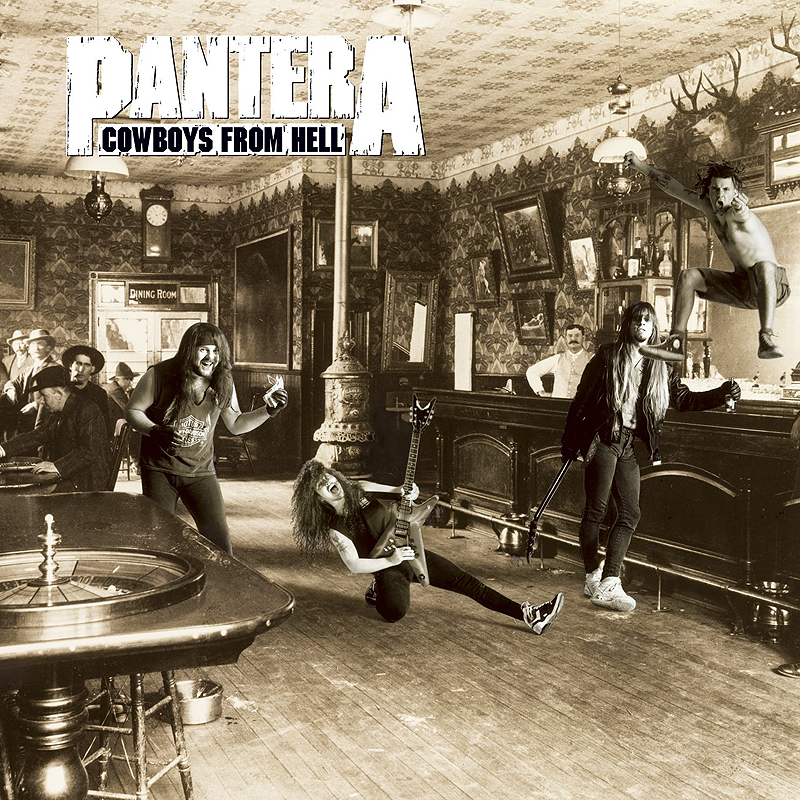
Terry Date may have a name that sounds like a term for a rough night out but his work as a producer for such Metal albums as Metal Church - Metal Church, Badmotorfinger - Soundgarden, Astro-Creep: 2000 - Songs Of Love, Destruction And Other Synthetic Delusions Of The Electric Head - White Zombie and Cowboys From Hell - Pantera have earned him a place on this list. Despite being adept at producing hard and heavy material, usually leaning towards the darker sound of Metal, Terry's not afraid to have fun with the bands he works with.
As is often the case with Rock/Metal producers, Terry's told more than a few tales and amusing experiences of working with bands like Pantera (e.g. the story of the vocal feedback at the end of "Fucking Hostile") but always seems to remain positive about his work, even if it means dealing with certain notable characters. Terry might not top the list here if it were arranged into "best" or "most significant" producers but he's definitely not at the bottom.
U is for Todd Rundgren
Come on, I was doing well with finding producers to fit the alphabetical pattern until now. I was going to write about U2 and their involvement with some of their own albums but rather than force out a paragraph with little substance, I'm bending the rules to feature an important artist/producer with a hard U in their name. As well as producing his own solo material, Todd Rundgren has worked with Grand Funk Railroad, Hall & Oates, New York Dolls, Patti Smith and Meat Loaf, even playing lead guitar on Bat Out Of Hell and apparently being responsible for most of the arrangements on it too.
But that's not all; Todd's proven himself to be quite the whizz with video and recording technology. Whenever there's a new movement with the potential to pick up speed, Todd's usually one of the first to adopt it. He was there when MTV started, he was there when Video Toaster launched and he attempted to start an online company built around offering fans exclusive unreleased music for a subscription fee without the need for record labels to take a wedge of the profit back in the 90s, 20 years before the popularity of websites like Patreon took off. Todd's ability to spot a golden idea is matched by his experimental producing style and talents as a musician, earning him a place over U2.
However, if there is a producer with a U at the start of their surname or first name who's worthy of this list, feel free to let me know.
V is for Butch Vig
So far, we've seen some of Rock's most iconic albums and their producers in this list but there's one album we've yet to look at; Nevermind - Nirvana. For that, you can thank Butch Vig. Butch started off producing for bands such as Killdozer and The Other Kids in the 80s before taking on his first big job in 1990 producing Nirvana's second album, although some of you may feel he should've stuck to producing lesser bands. Nevermind showed a more commercial side to the Grunge outfit partly due to Vig's decision to use double-tracking and overdubs, something Kurt Cobain objected to at the time but grew to appreciate. The success of the album led to Vig taking on bigger jobs and better albums such as Siamese Dream - Smashing Pumpkins, Dirty - Sonic Youth, 21st Century Breakdown - Green Day and Sonic Highways - Foo Fighters.
As well as producing, Vig also formed and drummed for the band Garbage, expressing a desire to record music that incorporated other styles and genres as opposed to the homogenised sound of mainstream Rock at the time. Vig clearly has a talent for knowing how to utilise a band's existing talents whilst introducing new ideas that may seem unconventional at the time but ultimately work in their favour. He's also not afraid to take the longer, more difficult route to achieve a single goal, as proven by his work on Wasting Light - Foo Fighters using analogue equipment in Dave Grohl's garage.
W is for Butch Walker
From one Butch to another, Butch Walker has produced more Pop or Pop Rock albums than most entries on this list. Some of the bands/artists he's worked with include Weezer, Avril Lavigne, Katy Perry, Fall Out Boy, Taylor Swift and Pink so needless to say he's not one of my personal favourites although he's still pretty highly regarded in the world of music. The albums he's worked on have been well received and he's shown talents as a guest musician and songwriter too.
As a modern producer, Butch has the benefit of decades worth of material from previous producers to work with as influences and inspirations. However, his abilities as a producer come from his talents as a musician. Whilst he might not be in the same league as Jeff Lynne, Butch has a modest but impressive list of instruments he can play covering most bases on the albums he produces.
X is for Max Martin
I'm not entirely sure how this guy took the name Max Martin as his real name is Karl Martin Sandberg but regardless of whatever name he goes by, he's arguably one of the most successful producers and songwriters on this list. He's produced the second highest amount of number one hits (after George Martin) and some of his produced tracks include "Everybody (Backstreet's Back)" - Backstreet Boys, "...Baby One More Time" - Britney Spears, "It's My Life" - Bon Jovi, "So What" - Pink, "California Girls" - Katy Perry and "Shake It Off" - Taylor Swift.
Since Max is predominantly a Pop producer, most of the albums he works on have co-producers whom he has to work with. Fortunately, most of them cite Max is being the main man in control and called his work highly influential. He believes the most important factor in a hit Pop song is that you need to "feel" the music as well as just hear it; that the song makes you want to listen to it repeatedly and the vocals are the key to unlocking this. Max also thinks a fluid chorus with energy that changes throughout the song is important, even if the melody is exactly the same. Even if you don't care for modern Pop, Max clearly knows how to produce a tune that sells like hot cakes.
Y is for Neil Young
Whilst David Briggs is generally considered to be the main producer on the majority of Neil Young's albums, Neil himself took on the task of producing his music too. However, Neil's here for one main reason; his passionate hatred of digital media. Neil's gone on record as blasting .mp3s and services like Spotify for offering poor sound quality compared to the original studio sessions, even going as far as removing all of his music from Spotify until they improved their sound quality until he realised that was stupid and put it all back again. He even started up a company called Pono dedicated to delivering better quality digital music on a subscription system.
Unfortunately, his argument for Pono's superiority compared to iTunes media was that there was a clear difference between Pono's files and low quality files, although iTunes doesn't release low quality ones. The difference in sound between Pono files and iTunes ones is too microscopic to warrant the less efficient Pono device and excessive price compared to most digital distribution sites. So basically, Neil's got a solid argument but has yet to actually do anything useful about it. However, it's worth noting his good intentions should be mirrored by producers regardless of the genre they're working on; it's artists/producers like Neil Young who keep complacent producers in check who don't give a fuck about the sound quality as long as they think the song itself will make money.
Z is for Jon Zazula
Finally, here we are. The end of the list and the final producer...or is it? I may have one more producer to write about but first, let's look at Mr Zazula. Johnny Z is probably better known for starting Megaforce records, the label that gave us Testament, Anthrax and Metallica as well as other popular Thrash Metal bands. However, despite managing and producing great albums by these incredible bands, there is one common trait that links albums like The Legacy - Testament, The Years Of Decay - Overkill and Spreading The Disease - Anthrax; they sound like shit. Absolute shit. Compare the sound quality of these records to other Metal albums released throughout the 80s and it's a shocking difference. It's debatable how much of this is down to Jon Zazula's input but even if he was one of the best engineers involved, I still believe there's a much better producer who deserves a spot over Johnny Z...
Z should be for Bob Ezrin
Bob's worked on albums such as Welcome To My Nightmare - Alice Cooper, Berlin - Lou Reed, Destroyer - KISS and The Wall - Pink Floyd, as well as other successful albums by these bands and others (except Lou Reed). Alice Cooper has called Bob Ezrin the George Martin of their band and if it wasn't for his work with KISS, they probably wouldn't be the household names in Rock we're all indifferent to now. His style seems to involve giving albums a grand or heavy sound, whether it's by using children's voices to give music a more theatrical feel or encouraging musicians to rework tracks by combining separate great but unfinished ideas (e.g. an Alice Cooper song called "Reflected" that would go on to become "Elected").
Recently, he's earned some popularity/flack for daring to criticise the Lord of Hip Hop, the immortal voice of a generation, Kanye West. He accused Kanye of being uninspired and that his music doesn't do anything new compared to other Hip Hop artists like NWA or Grandmaster Flash; Bob also claimed Kanye's fame and popularity comes from his ego and outlandish behaviour rather than genuine skill at his craft. Kanye, of course, resorted to a Twitter rant where he claimed Bob (and presumably every other middle-aged white record producer) shouldn't talk about "rap" and brought Bob's kids into the argument.
I have no idea if Kanye has since attempted to fire back at Bob with a song of some kind (you know, the things he's supposed to be famous for making) but if his reaction proved anything, it's that Bob Ezrin not only knows about what makes a great Rock record but also a shitty Hip Hop one.
Do you agree with my list? Have I included a fair variety of producers to cover each style, genre and skill? Let me know via Twitter or the comment section.
COMING SOON: Album reviews for Foo Fighters, UFO and The Darkness.
I'd heard a few names on the grapevine and occasionally noted the name of a producer when listening to new albums but I didn't really have more knowledge than that on the subject. So, after many hours researching and listening to music from certain producers, I felt like I was ready to take on the task of writing about them from a somewhat informed perspective. Only problem then was what exactly to write about. Should I write a thinkpiece on the influence of music producers that someone with more knowledge and talent has already covered? How about a funny post comparing them to flavours of ice cream or animals or something?
As you can tell, I scrapped both ideas in favour of a list designed to educate other Rock/Metal fans like me who weren't fully up to date with their producer knowledge. I also decided to compile it in an A-Z arrangement, although I've had to take a few creative liberties to get away with a few tricky letters. As well as listing a few of the producers' greatest hits, I'll also be sharing my opinions on their work and why I feel they're worthy of this list (apologies in advance if I miss any amazing producers).
So without further ado, here are the ABCs of Rock/Metal producers with a bit of Pop and other genres thrown in too.
A is for Steve Albini
Kicking this list off is the recording engineer most known for his work on Surfer Rosa - Pixies and In Utero - Nirvana. Despite having an impressive back catalogue (and a cooking blog), Steve's also notable for being an outspoken man with strong opinions about analogue over digital; he also believes that record producers shouldn't accept royalties for their work on songs and has completely waved all licensing fees producers would normally receive for any track he's worked on (including "Where Is My Mind???" - Pixies and "Heart Shaped Box" - Nirvana).
Music produced by Steve is usually quite straight forward without the need for special effects as he's a firm believer in the "live" sound rather than having band members record their instruments individually. Steve has described his preferred methods for analysing and mixing music involving minor distractions such as reading dull books or playing Scrabble on his phone; activities that don't absorb too much of his concentration but allow him to notice mistakes and imperfections should they appear. All in all, he's a pretty good start to this list; he knows his shit and he's not afraid to speak his clearly well developed mind.
B is for Bob Rock
Bob Rock is arguably one of the biggest names on this list and, in my personal opinion, one of the most overrated. His best known work includes Sonic Temple - The Cult, Dr. Feelgood - Motley Crue, Keep The Faith - Bon Jovi and Metallica - Metallica. However, he's also responsible for subsequent albums by these bands such as Hidden City - The Cult, Motley Crue - Motley Crue and St. Anger - Metallica, not to mention more recent albums by The Offspring and Michael Buble that are on the more commercial side. In other words, he's great at joining a band's career and getting a couple of great albums out of them when they're already successful but his involvement usually signals a decline in the band's quality of music.
Music produced by Bob is usually quite powerful and perfect for stadium gigs. The man knows how to make Rock (which he bloody well should do if it's in his name) but he's quite limited in his creativity. If you want an explosive but unimaginative Rock record that'll probably make a shitload of money to add to your pre-existing shitload of money, Bob's the way to go but if you want something a bit deeper, you're better off finding someone else.
C is for Mike Clink
He may not have a name that's as instantly recognisable as some of the producers on this list but Mike Clink has produced for bands more iconic than anyone on this list. He's worked with Guns N' Roses for five of their albums, he co-produced Megadeth's magnum opus Rust In Peace with Dave Mustaine and nearly produced Metallica's ...And Justice For All until the band decided to use their previous producer, Flemming Rasmussen. He's also worked with Motley Crue, Whitesnake, Heart, UFO and Triumph.
Clink's decision to record using classic equipment typical of albums from the 60s and 70s is what helped make Appetite For Destruction such a massive release, not to mention his technical skills and patience of a saint when rerecording and delicately splicing takes together. He worked closely with Slash when recording guitar riffs as catchy as Axl's vocal melodies and after working long days and longer nights to produce a hit record, the results speak for themselves.
D is for Danger Mouse
Notable Pop producer and the better half of Gnarls Barkley if Cee Lo Green's career is anything to go by, Danger Mouse (real name Brian Joseph Burton) has waded into the waters of Rock recently to produce some damn fine records such as El Camino - Black Keys and The Getaway - Red Hot Chili Peppers. His work seems to focus more on the drums and bass of a record making a more Pop friendly sound that's easier to dance to.
Going off the Rock track for a bit, I love his work on Gnarls Barkley albums and would listen to a third album of theirs in a heartbeat. Until then, I'm happy with him continuing to work with modern Alternative bands to create chart topping singles and great bass heavy Rock tracks with minimal guitar.
E is for Brian Eno
Brian Eno isn't just a musician who's played with Roxy Music, Talking Heads and David Bowie (as well as having his own solo career); he's also a music producer who's worked with U2, Elvis Costello, Coldplay and some of the bands he's recorded with. He's also composed music for Windows '95 and Nokia phones and expressed firm political beliefs without going full Mustaine, but he's on this list for his role as a producer/non-musician/sonic landscaper/other wanky term.
His work seems to emphasise various guitar effects and synthesisers, not to mention blending world music with contemporary Rock/Pop and popularising the use of sampling that would later be used to carry Hip Hop artists across the majority of their career. Whilst his importance in the world of music is undeniable, he seems to have a reputation for associating with artists who are (musically speaking) a bit pretentious and he's not the best producer if you want music with an edge to it. However, as far as Art Rock goes, you're not going to find much more influential than Brian Eno.
F is for Bruce Fairbairn
I nearly wrote this entry about Swedish producer of melodic Death Metal, Fredrik Nordstrom (a great producer and musician, if you were wondering), but then I found out about Bruce Fairbairn, producer of such albums as Get Lucky - Loverboy, Permanent Vacation - Aerosmith, The Razor's Edge - AC/DC, Flesh & Blood - Poison and Slippery When Wet - Bon Jovi. Bruce was the polar opposite of producers who prefer a stripped-back approach, instead opting to go all-in with production in order to create some of the greatest and most explosive Arena Rock and Rock Radio anthems of the 80s.
Despite this keen ear for popular Hard Rock and Hair Metal, Bruce was an avid Jazz fan and played trumpet with the band Sunshyne before they reinvented themselves as 70s Rock group Prism and he reinvented himself as a record producer. His love of brass and horns helped turn Aerosmith's "Dude (Looks Like A Lady)" from a mediocre filler track entitled "Cruisin' For The Ladies" into the comeback hit they needed at that point in their career, all thanks to Bruce's ability to separate the wheat from the chaff. Unfortunately, Bruce passed away in 1999 but his legacy as a hit record producer will live on.
G is for George Martin
No, not the Game Of Thrones guy. This is George Martin responsible for producing all but one of The Beatles' albums. Many people have been given the title "the fifth Beatle" and whilst George has rejected it in favour of their manager Brian Epstein, he easily earned it with his vast musical knowledge and ability to refine the band's sound into something more than your average 60s Garage Rock outfit. As well as working with The Beatles, Geroge also produced for Elton John, Cheap Trick, America and Celine Deon as well as being credited with helping to create the music for the early James Bond films.
Before working with The Beatles, George made a name for himself as a producer for various comedy acts including Bill Oddie, Bernard Cribbins and Peter Sellers but even if his CV consisted of just The Beatles, he'd deserve a space here for his ability to pinpoint exactly what each Beatles single needed (even if John Lennon thought George was overrated in his role as a producer). Oh, and he also contributed piano and organ on a few tracks like "Lovely Rita" and "Being For The Benefit Of Mr. Kite!" respectively.
H is for Isaac Hayes
I could tell you that Isaac Hayes is in this list for his involvement as a Soul producer and that his musical talents expand beyond singing songs about prostitutes and making love on South Park. I could tell you that he was involved as a producer for Booker T. & The M.G's (the band that gave us "Green Onions"...you'll know it when you hear it) and that's why here's here but honestly, he's here because his surname begins with H and it was pretty difficult finding a producer with an H at the start of their name. That being said, this guy knew his music and if anyone with more knowledge about the man's production talents wants to educate me, feel free to do so in the comment section.
I is for Ian Kilmister
Similarly, I had a bit of difficulty finding a producer with I at the start of their forename or surname so this slot is filled with Lemmy, seeing as how Motorhead were occasionally responsible for producing some of their albums (although Jimmy Miller and Speedy Keen were usually the main producers). I don't know exactly how much of the production stage Lemmy was involved with but since he was the key musician involved with the band, I imagine he had a few good ideas thrown about now and then.
J is for Jeff Lynne
Not only is Jeff Lynne the frontman and musical genius behind the Electric Light Orchestra but he's also responsible for producing albums by members of his supergroup The Traveling Wilburys as well as ELO ones too. Considering the man can play every instrument under the sun (and probably a few beyond it, if he had access to them...which he might), it's no surprise that he's adept at producing music too seeing as how he must know exactly how to get the best sound out of each instrument through his years of playing them.
Jeff's received some flack over the years for the quality of the drums in songs he produces but to me, they're not meant to sound dynamic and imposing. Drums seem to be there for the sole purpose of keeping time whilst the bass, strings and vocals are all placed to the front of the mix. However, you can probably attribute that to Jeff's style of songwriting too. As for my opinion on their sound, I think Jeff's music probably speaks louder than his production skills but it's still admirable that he can do both as well as other professionals.
K is for Johnny K
Not a well known name on this list but that doesn't mean he's here just because of the letter K. John Karkazis is an engineer and music producer who's worked with bands like Finger Eleven, Drowning Pool and Machine Head as well as on such albums as "The Sickness" - Disturbed and "Th1rt3en" - Megadeth. However, the main reason he's on this list is because he produced one of my favourite albums; Light From Above - Black Tide. Whilst the band may be the ones who wrote the majority of the tracks, Johnny K helped write one of the tracks ("Enterprise") and likely helped the band with many technical issues too.
Similar to previous Metal producers here, he tends to bring out a cleaner, sharper sound in guitar tones (although that could be attributed to modern recording technology). However, as well as producing Metal records, he's also tried his hand at Alternative and Pop too. As a result, some of his Metal albums sound a bit more commercial such as "Super Collider" - Megadeth. Either way, he knows his onions.
L is for Mutt Lange
Robert John "Mutt" Lange is another well known name on this list. He's produced many albums in his career but some of his bigger hits include "Back In Black" - AC/DC, "Hysteria" - Def Leppard, "4" - Foreigner and recently "Drones" - Muse. He's also produced single tracks for artists such as Heart, Lady Gaga, Huey Lewis & The News, Loverboy and Backstreet Boys, clearly showing a preference for Rock but able to work with more Pop based material too. There's no doubt that Mutt Lange knows how to turn average groups into proper Rock bands with well received albums that are both awesome in their own right and capable of shitting money.
Mutt's style seems to be about high production values and a well polished sound to make a product that's commercially successful, although there have been stories about him being somewhat of a control freak, butting heads with members of Foreigner and Def Leppard over how the album should sound. However, other theories seem to be that Def Leppard arguably owe all their success to the man as he was responsible for High 'N' Dry, Pyromania and Hysteria, their golden trilogy (even if On Through The Night is an underrated classic and Mutt had nothing to do with that). After Mutt left, their popularity started to decline and people believed Mutt was the magic ingredient in making the band great. Regardless of how things went down, we can all agree that Mutt's place on this list goes beyond a simple alphabetic necessity.
M is for Martin Birch
From critically acclaimed producer to a lesser known heavyweight, Martin "Star-Fish" Birch has a great collection of bands under his belt. He started off as an engineer with Fleetwood Mac and Deep Purple, mixing and occasionally producing some of their albums such as "Penguin" and "Stormbringer" respectively. He settled into the role of producer with confidence during his stretch with Rainbow, producing all three albums with Dio on vocals before working with Whitesnake for six years whilst simultaneously producing albums for Black Sabbath and Blue Oyster Cult in 1980 and 1981. However, his main achievement comes in the form of producing eight studio records and one live album for Iron Maiden between 1981 and 1992.
His sound is arguably categorised more by the difference between albums with and without his involvement. Compare the sound of Iron Maiden's debut to Killers or Blue Oyster Cult's Spectres to Fire Of Unknown Origin. Each instrument is a lot clearer in the mix and even though some bands have presented their fair share of challenges in their "creative" decisions (e.g. Iron Maiden choosing to record No Prayer For The Dying in a barn), Martin's ability to get the best out of each band he worked with earns him a place at the halfway point in this list.
Unfortunately, Martin retired after Fear Of The Dark at the age of 42 and whilst it would be good to hear his influence with more modern Hard Rock/Metal bands, I feel like Martin left at the top of his game and his discography will forever be one for the Rock producer hall of fame. All we need now is a Rock producer hall of fame.
N is for Gil Norton
Gil Norton is best known for his work with Indie/Alternative bands, ranging from more experimental groups with 80s influences such as Maximo Park and Echo & The Bunnymen to more popular American Rock bands such as Jimmy Eat World and Counting Crows. However, just because these are some of the bigger names he's worked with doesn't mean he hasn't produced albums for a wide variety of artists, although his biggest achievement is probably working on The Colour And The Shape and Echoes, Silence, Patience & Grace by Foo Fighters (two of their most popular albums).
Gil's style of producing is very personal; he likes to meet or chat with the band beforehand, listening to demos and getting a good idea of where the band wants to take their music. To him, the pre-production stage is the most important part of the job and the musician's passion over technical skill should come through in the material. He's also a firm believer in the importance of personality and that getting on with the people you work with is one of the key factors in making a great album.
O is for Brendan O'Brien
Whilst Gil Norton may have been a key player with Alternative bands in the 80s & 00s, Brendan O'Brien took responsibility for working with heavier Rock bands from the early 90s to recent releases. Some of his work includes Core - Stone Temple Pilots, Vs. - Pearl Jam, The Battle Of Los Angeles - Rage Against The Machine, Black Ice - AC/DC and Victorious - Wolfmother, not to mention mixing and engineering on hit albums such as Blood Sugar Sex Magik - Red Hot Chili Peppers with Rick Rubin (more on him later).
As you can tell by this collection, Brendan's preferred style involves loud guitars, darker tones and dynamic percussion. Some of the lighter albums he's worked on such as Light Grenades - Incubus have benefited from the occasional burst of energy despite lacking screaming guitars and your typical Rock tropes. Compared to other producers in this list, Brendan's style is very hands-on; he isn't afraid to get involved in laying down guitar and bass tracks, pooling ideas together and effectively acting as a member of the band, even if he isn't necessarily part of the songwriting process.
P is for Phil Spector
Even though George Martin is considered the iconic Beatles producer, Phil Spector is the man who's responsible for producing subsequent Beatles compilations and studio album, Let It Be. He produced many other albums before his work with the fab four but his success with their final album is half of what earned him a place on this list. The other half comes from his development of the Wall Of Sound production technique, not the way he murdered his wife in 2003.
The Wall Of Sound isn't the same as the bombardment of hard-hitting music effects such as distortion and high volume, rather it's a dense series of layers comprised of a variety of different instruments that would all combine into one unique noise rather than a series of instruments that you could pick out and enjoy, similar to how mixing a series of varying hues would create a different colour. For example, by mixing different key-based instruments (piano, harpsichord, etc), you can create one solid sound that cannot be achieved by any one of those instruments alone. This has been developed over time to simply compressing certain instruments in the mix (something that modern music fans tend to despise) but the technique still has its place in music history, all thanks to Phil.
Q is for Quincy Jones
One of the biggest producers in the history of music, Quincy Jones (also known as Q) has arguably earned the most fame in the world of Pop/Rock for his work on Michael Jackson's Thriller album. However, many people may also know him as the composer of catchy instrumental "Soul Bossa Nova" (the Austin Powers theme) and the founder of Quincy Jones Productions/Entertainment, the company partly responsible for The Fresh Prince Of Bel-Air and, subsequently, Will Smith's music career.
However, he's here as a music producer and his strength lies mainly with getting the best out of the vocalists he works with. He encourages them to sing with their full soul and has been quoted as saying "You can never be a better musician than you are a person", proving that he's never met Ted Nugent or Gene Simmons before. All in all, Quincy seems like one of the nicest guys in the business and even though he's no Rock/Metal producer, his name carries more weight than any of the other producers on this list...although this next entry gives Q a run for his money.
R is for Rick Rubin
Rick Motherfucking Rubin; Rock's most famous (or infamous) producer who's also pretty skilled at Metal, Pop and Hip-Hop too. Rick helped to launch Hip Hop into the list of mainstream genres due to his work with Run-DMC and the Beastie Boys but since then has gone on to work with a myriad of bands who have produced some of their best or at least better received albums with Rick behind them such as The Cult (Electric), Red Hot Chili Peppers (Blood Sugar Sex Magik), Slayer (Reign In Blood), System Of A Down (Toxicity), Audioslave (Audioslave), Adele (21), Metallica (Death Magnetic) and Mr. Hankey Poo (Mr. Hankey The Christmas Poo).
He's also responsible for introducing Johnny Cash to "Hurt" - Nine Inch Nails and founded Def Jam Records as a teenager, even going as far as to hold a genuine funeral with a casket and approximately 500 guests for the word "def" after it was dropped from his record label. However, despite being a heavy player, not everyone is happy with his style. He's been criticised for his involvement in the Loudness War (making albums progressively louder over a period of time by compressing and clipping the music) and has been called out by several musicians including Corey Taylor of Slipknot and Matt Bellamy of Muse, the latter stating "We'd like to thank Rick Rubin for teaching us how not to produce" on stage at the 2010 MPG awards to cheers from the audience.
Despite this, many musicians value Rick's work and regard him as one of the best in the business due to his ability to identify talent in its natural form. His Rock/Metal albums usually contain very little in the way of frills and high production values, favouring a more raw sound as opposed to technical effects. He's also been known to push bands to play music outside of their conventions, challenging Hip Hop artists to cover Rock and Rock bands to cover Pop. Rick Rubin has to be the most divisive producer on this list but regardless of your opinion on the man and his craft, you have to admit that he isn't where he is by accident.
S is for Tom Scholz
If you're into Classic Rock, this name will probably be familiar to you. Tom Scholz is better known as the guitarist for the band Boston and is one of the main reasons (if not THE main reason) their 1976 self-titled debut is one of the greatest albums ever recorded. Unlike previous debuts where bands tend to stick to one studio to write and record their material, Boston recorded their debut across a variety of studios although most of the tracks were produced in Tom's basement due to his preference to his own equipment. The band pretended to record the material at a professional studio but in the end, only produced one song ("Let Me Take You Home Tonight") the way the record label wanted them to as a way of throwing them off the scent.
Even though John Boylan is regarded as the producer for the album, Scholz is the reason the album sounds the way it does due to his painstaking perfectionism. Tom went to great lengths to ensure he produced an album he was proud of and in the end, the sound quality sounds way ahead of its time due to his technical knowledge and experience. In fact, when he eventually met the professional sound engineers, he felt they were amateurs in comparison. This might sound like arrogance but when you produce an album as strong as Boston's debut on the sly, you're allowed a bit of an ego. Incidentally, the story behind the recording of Boston's debut is a fascinating read if you like the album and a good underdog story.
T is for Terry Date
Terry Date may have a name that sounds like a term for a rough night out but his work as a producer for such Metal albums as Metal Church - Metal Church, Badmotorfinger - Soundgarden, Astro-Creep: 2000 - Songs Of Love, Destruction And Other Synthetic Delusions Of The Electric Head - White Zombie and Cowboys From Hell - Pantera have earned him a place on this list. Despite being adept at producing hard and heavy material, usually leaning towards the darker sound of Metal, Terry's not afraid to have fun with the bands he works with.
As is often the case with Rock/Metal producers, Terry's told more than a few tales and amusing experiences of working with bands like Pantera (e.g. the story of the vocal feedback at the end of "Fucking Hostile") but always seems to remain positive about his work, even if it means dealing with certain notable characters. Terry might not top the list here if it were arranged into "best" or "most significant" producers but he's definitely not at the bottom.
U is for Todd Rundgren
Come on, I was doing well with finding producers to fit the alphabetical pattern until now. I was going to write about U2 and their involvement with some of their own albums but rather than force out a paragraph with little substance, I'm bending the rules to feature an important artist/producer with a hard U in their name. As well as producing his own solo material, Todd Rundgren has worked with Grand Funk Railroad, Hall & Oates, New York Dolls, Patti Smith and Meat Loaf, even playing lead guitar on Bat Out Of Hell and apparently being responsible for most of the arrangements on it too.
But that's not all; Todd's proven himself to be quite the whizz with video and recording technology. Whenever there's a new movement with the potential to pick up speed, Todd's usually one of the first to adopt it. He was there when MTV started, he was there when Video Toaster launched and he attempted to start an online company built around offering fans exclusive unreleased music for a subscription fee without the need for record labels to take a wedge of the profit back in the 90s, 20 years before the popularity of websites like Patreon took off. Todd's ability to spot a golden idea is matched by his experimental producing style and talents as a musician, earning him a place over U2.
However, if there is a producer with a U at the start of their surname or first name who's worthy of this list, feel free to let me know.
V is for Butch Vig
So far, we've seen some of Rock's most iconic albums and their producers in this list but there's one album we've yet to look at; Nevermind - Nirvana. For that, you can thank Butch Vig. Butch started off producing for bands such as Killdozer and The Other Kids in the 80s before taking on his first big job in 1990 producing Nirvana's second album, although some of you may feel he should've stuck to producing lesser bands. Nevermind showed a more commercial side to the Grunge outfit partly due to Vig's decision to use double-tracking and overdubs, something Kurt Cobain objected to at the time but grew to appreciate. The success of the album led to Vig taking on bigger jobs and better albums such as Siamese Dream - Smashing Pumpkins, Dirty - Sonic Youth, 21st Century Breakdown - Green Day and Sonic Highways - Foo Fighters.
As well as producing, Vig also formed and drummed for the band Garbage, expressing a desire to record music that incorporated other styles and genres as opposed to the homogenised sound of mainstream Rock at the time. Vig clearly has a talent for knowing how to utilise a band's existing talents whilst introducing new ideas that may seem unconventional at the time but ultimately work in their favour. He's also not afraid to take the longer, more difficult route to achieve a single goal, as proven by his work on Wasting Light - Foo Fighters using analogue equipment in Dave Grohl's garage.
W is for Butch Walker
From one Butch to another, Butch Walker has produced more Pop or Pop Rock albums than most entries on this list. Some of the bands/artists he's worked with include Weezer, Avril Lavigne, Katy Perry, Fall Out Boy, Taylor Swift and Pink so needless to say he's not one of my personal favourites although he's still pretty highly regarded in the world of music. The albums he's worked on have been well received and he's shown talents as a guest musician and songwriter too.
As a modern producer, Butch has the benefit of decades worth of material from previous producers to work with as influences and inspirations. However, his abilities as a producer come from his talents as a musician. Whilst he might not be in the same league as Jeff Lynne, Butch has a modest but impressive list of instruments he can play covering most bases on the albums he produces.
X is for Max Martin
I'm not entirely sure how this guy took the name Max Martin as his real name is Karl Martin Sandberg but regardless of whatever name he goes by, he's arguably one of the most successful producers and songwriters on this list. He's produced the second highest amount of number one hits (after George Martin) and some of his produced tracks include "Everybody (Backstreet's Back)" - Backstreet Boys, "...Baby One More Time" - Britney Spears, "It's My Life" - Bon Jovi, "So What" - Pink, "California Girls" - Katy Perry and "Shake It Off" - Taylor Swift.
Since Max is predominantly a Pop producer, most of the albums he works on have co-producers whom he has to work with. Fortunately, most of them cite Max is being the main man in control and called his work highly influential. He believes the most important factor in a hit Pop song is that you need to "feel" the music as well as just hear it; that the song makes you want to listen to it repeatedly and the vocals are the key to unlocking this. Max also thinks a fluid chorus with energy that changes throughout the song is important, even if the melody is exactly the same. Even if you don't care for modern Pop, Max clearly knows how to produce a tune that sells like hot cakes.
Y is for Neil Young
Whilst David Briggs is generally considered to be the main producer on the majority of Neil Young's albums, Neil himself took on the task of producing his music too. However, Neil's here for one main reason; his passionate hatred of digital media. Neil's gone on record as blasting .mp3s and services like Spotify for offering poor sound quality compared to the original studio sessions, even going as far as removing all of his music from Spotify until they improved their sound quality until he realised that was stupid and put it all back again. He even started up a company called Pono dedicated to delivering better quality digital music on a subscription system.
Unfortunately, his argument for Pono's superiority compared to iTunes media was that there was a clear difference between Pono's files and low quality files, although iTunes doesn't release low quality ones. The difference in sound between Pono files and iTunes ones is too microscopic to warrant the less efficient Pono device and excessive price compared to most digital distribution sites. So basically, Neil's got a solid argument but has yet to actually do anything useful about it. However, it's worth noting his good intentions should be mirrored by producers regardless of the genre they're working on; it's artists/producers like Neil Young who keep complacent producers in check who don't give a fuck about the sound quality as long as they think the song itself will make money.
Z is for Jon Zazula
Finally, here we are. The end of the list and the final producer...or is it? I may have one more producer to write about but first, let's look at Mr Zazula. Johnny Z is probably better known for starting Megaforce records, the label that gave us Testament, Anthrax and Metallica as well as other popular Thrash Metal bands. However, despite managing and producing great albums by these incredible bands, there is one common trait that links albums like The Legacy - Testament, The Years Of Decay - Overkill and Spreading The Disease - Anthrax; they sound like shit. Absolute shit. Compare the sound quality of these records to other Metal albums released throughout the 80s and it's a shocking difference. It's debatable how much of this is down to Jon Zazula's input but even if he was one of the best engineers involved, I still believe there's a much better producer who deserves a spot over Johnny Z...
Z should be for Bob Ezrin
Bob's worked on albums such as Welcome To My Nightmare - Alice Cooper, Berlin - Lou Reed, Destroyer - KISS and The Wall - Pink Floyd, as well as other successful albums by these bands and others (except Lou Reed). Alice Cooper has called Bob Ezrin the George Martin of their band and if it wasn't for his work with KISS, they probably wouldn't be the household names in Rock we're all indifferent to now. His style seems to involve giving albums a grand or heavy sound, whether it's by using children's voices to give music a more theatrical feel or encouraging musicians to rework tracks by combining separate great but unfinished ideas (e.g. an Alice Cooper song called "Reflected" that would go on to become "Elected").
Recently, he's earned some popularity/flack for daring to criticise the Lord of Hip Hop, the immortal voice of a generation, Kanye West. He accused Kanye of being uninspired and that his music doesn't do anything new compared to other Hip Hop artists like NWA or Grandmaster Flash; Bob also claimed Kanye's fame and popularity comes from his ego and outlandish behaviour rather than genuine skill at his craft. Kanye, of course, resorted to a Twitter rant where he claimed Bob (and presumably every other middle-aged white record producer) shouldn't talk about "rap" and brought Bob's kids into the argument.
I have no idea if Kanye has since attempted to fire back at Bob with a song of some kind (you know, the things he's supposed to be famous for making) but if his reaction proved anything, it's that Bob Ezrin not only knows about what makes a great Rock record but also a shitty Hip Hop one.
Do you agree with my list? Have I included a fair variety of producers to cover each style, genre and skill? Let me know via Twitter or the comment section.
COMING SOON: Album reviews for Foo Fighters, UFO and The Darkness.
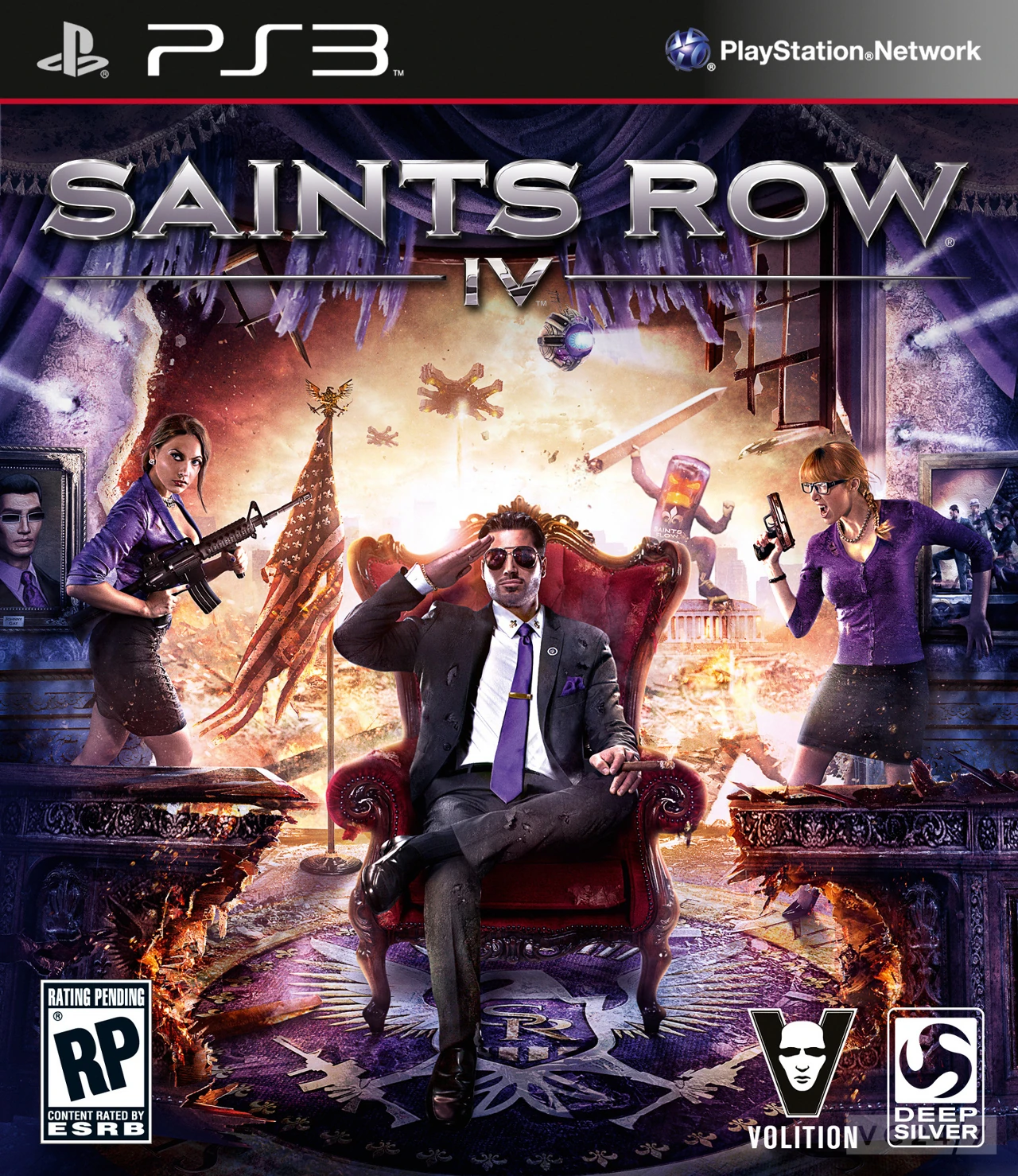
Labels:
Alternative Rock,
Classic Rock,
Glam Rock,
Grunge,
Hair Metal,
Hard Rock,
Hip Hop,
Indie Rock,
Metal,
Nu-Metal,
Opinions,
Pop,
Pop Rock,
Producers,
Prog Rock,
Rock,
Soul
Saturday, 14 January 2017
Tenology: Massive Morellos/MacArthur Parks In Rock/Metal
I'm back! Apologies for the delay in posting but I needed more time to put this list together.
If you're confused by what I mean when I say "Massive Morello/MacArthur Park", you clearly haven't read my Rock Glossary or Absolute Axls blog posts. No worries though, I've got you covered!
A MacArthur Park (or Morello) is a fantastically brilliant factor of a song that stops it from being terrible. For example, the song could have dire lyrics, a boring riff, mediocre performances and go on for seven minutes...BUT at the six minute mark, there's an absolutely amazing guitar solo that blows everything else away and makes the song worth listening to. That right there is a MacArthur Park/Morello!
Anyway, to celebrate what I hope to fucking God is going to be a more positive year than 2016, I've decided to open with a blog post about 10 rubbish songs with one awesome thing about them that stops the songs from being made of absolute suck. Obviously this post is going to be a little divisive with my definitions of what makes a song suck so I tried to choose a mix of tracks that I personally dislike and tracks that are renowned for being hated or disliked by band members and/or the Rock community. I've also tried to find ten different types of MacArthur Park/Morello so it's not just a blog post of eight amazing solos and a couple of great riffs.
Right then, let's get some positivity up in here!
1. "Bawitdaba" - Kid Rock
If you're confused by what I mean when I say "Massive Morello/MacArthur Park", you clearly haven't read my Rock Glossary or Absolute Axls blog posts. No worries though, I've got you covered!
A MacArthur Park (or Morello) is a fantastically brilliant factor of a song that stops it from being terrible. For example, the song could have dire lyrics, a boring riff, mediocre performances and go on for seven minutes...BUT at the six minute mark, there's an absolutely amazing guitar solo that blows everything else away and makes the song worth listening to. That right there is a MacArthur Park/Morello!
Anyway, to celebrate what I hope to fucking God is going to be a more positive year than 2016, I've decided to open with a blog post about 10 rubbish songs with one awesome thing about them that stops the songs from being made of absolute suck. Obviously this post is going to be a little divisive with my definitions of what makes a song suck so I tried to choose a mix of tracks that I personally dislike and tracks that are renowned for being hated or disliked by band members and/or the Rock community. I've also tried to find ten different types of MacArthur Park/Morello so it's not just a blog post of eight amazing solos and a couple of great riffs.
Right then, let's get some positivity up in here!
1. "Bawitdaba" - Kid Rock
MaP/M: Verse
To think, without this song he may never have had the chance to coast off Warren Zevon & Lynyrd Skynyrd
Kicking this list off is an artist whom many Rock, Metal, Rap and even just general audio fans despise. Aside from being a Trump supporter and, by extension, a massive asshole, his music is fucking terrible. This song helped shoot him into the mainstream with its combination of Hip Hop and Metal elements that at the time was amazing and not at all tacky like we've come to realise it is now. So what possible factor could redeem this song with a chorus spouting nonsensical lyrics and shitty riffs? In my opinion, the music in the verse.
You'll probably hear me use this argument quite a few times in this post because it's the only way I can really drive it home but if you plucked the guitar and bass riffs from the verses in this song and placed them into a different 90s Metal track with a more talented songwriter/vocalist, they'd sound pretty awesome. I wouldn't call this a good song but at least I don't hate it during those brief moments between diggy-diggy sessions.
2. "Maggie May" - Rod Stewart
MaP/M: Intro up until vocals
Once you get past the album cover, it's actually a pretty good record
Definitely a personal entry on this list. I've always hated this song but never exactly known why, although if I had to pinpoint reasons then I'd probably go with Rod. I can't stand his vocals in this (and more or less every other song he's done) and as soon as he sings "Wake up Maggie", I feel like shutting it off immediately. That being said, if you listen to the album version then you'll hear a lovely little acoustic introduction shortly before the main riff starts. That alone gives me some pleasure when I hear this song now and then but as soon as it gets to the 46 second mark, I'm done.
I suppose the melody throughout the rest of the song isn't bad but when you compare this to "You Wear It Well", a much better Rod Stewart song with softer vocals and better lyrics that sounds incredibly similar, this track has nothing but a lovely introduction to keep me enticed. Granted this song came out first but since they were only about a year apart, this feels more like a fleshed out demo for "You Wear It Well" than a song that deserves acclaim...but that's just my opinion.
3. "Shiny Happy People" - R.E.M.
MaP/M: Main riff
Cards on the table, I don't think this is that bad of a song
This song has pretty much been disowned by the band and if they hadn't included it on a compilation from a few years ago, I'd say that they wanted to bury it. It's basically their "Smells Like Teen Spirit"; a popular song that doesn't truly represent their overall sound or image. Whilst it might not be as bad as some of the entries on this list, I'm guessing that hardcore R.E.M. fans hate it as much as Michael Stipe for the same reasons and when it comes from the same album as "Losing My Religion", it's not going to make any respectable "Best Songs Of 1991" list.
However, you can't argue that this song is based around a pretty solid riff. In fact, no, not "pretty solid". It's a damn good one! Take this riff, swap it with the one for "Pop Song 89", tweak the key & tempo of each song a bit and they'd both still work. It's the rest of the song that lets itself down but it's also this riff that makes "Shiny Happy People" an OK track.
4. "Cemetery Gates" - Pantera
MaP/M: Vinnie Paul
Wish me luck with explaining this one, folks
If you hadn't twigged it by now, I'm alternating between unpopular songs and personal choices so don't bother telling me that "Cemetery Gates" is a fan favourite and one of the best songs off Cowboys From Hell. I used to quite like this song but after multiple listens, I think I fucking hate it now. The chorus riff sounds absolutely pissawful, the vocals aren't much to be desired (with each "GAAAAIIIIIIITES" in the outro, a child in Malaysia dies) and to me, it sounds like Pantera trying to have their own "Fade To Black" moment. I would call it an utter write-off except I can't help but enjoy the few moments in the song when the tempo picks up a bit and the drumming makes everything else work.
I'm not usually a fan of the percussion and playing style in Pantera songs but it's easily the highlight of this song for me. Yes, it has a solid solo and yes, the intro melody is alright but without the rhythm, this would be just another poor Metal power ballad. I suppose this song shouldn't really be here if the drumming isn't the only positive factor but in my eyes, it's the only thing in this song that makes it avoid the pit of turds that practically every other Pantera track falls into.
5. "Rockstar" - Nickelback
MaP/M: Lyrics
Took me four songs before I got Nickelback, must be some kind of record
Ahh Nickelback, the Internet's favourite musical whipping boy. We've reached the point now where some people are starting to argue that Nickelback don't actually suck that much and if you want to know my opinion, it's this; they're a bit crap. I like some tracks like "When We Stand Together" and "Burn It To The Ground" but for the most part, their songs are generic Rock for teenage girls and other people who don't really get what Rock's about. One of their most popular songs is "Rockstar" and whilst it made a big splash when it first came out, people now use this as a reason for hating Nickelback along with their other signature songs "How You Remind Me" and "Photograph".
I'm ashamed to admit that I was one of those people who got caught up in this song when it first came out but now that I've listened to actual Rock music in more detail, I can't say I'm a fan. What I will say is that the lyrics are still the song's best attribute as it goes through all the tropes and stereotypes of being a brash Rock star who wants it all whilst conveying the laid-back mood of the character telling us about his ambitions. You can argue that they're not the best lyrics of the genre or even year but that's not what I'm saying; the lyrics work for the song, they're enjoyable to listen to if you can look past the fact that it's Nickelback behind them and most importantly, they're not bad.
6. "Pretty Fly (For A White Guy)" - The Offspring
MaP/M: Chorus
Boy, the 90s are taking a fucking pounding in this post
I like The Offspring but goddamn, this song sucks. From the "Rock Of Ages" lift at the start to the gratuitous use of "Give it to me baby!" throughout, this track should cause each member of the band embarrassment every time they hear it, and keep in mind The Offspring have released songs like "Don't Pick It Up" in the past. Fortunately, the chorus makes up for the rest of the song.
The guitar riffs and vocals are classic Offspring material that pisses all over everything else this song has to offer and the acid test of whether the MacArthur Park/Morello works just as well in another song without the smell of this one lingering around pays off too; imagine this chorus with "Come Out And Play" off Smash which shouldn't be too hard as the verses for both tracks are basically the same, only this one's worse. It's a shame this song is one of the band's more popular tunes but thankfully, it's also a laughably terrible tune that stains the 90s Pop Punk genre. Yep, it's fucking bad even by those standards.
7. "Rollin' (Air Raid Vehicle)" - Limp Bizkit
MaP/M: "Keep rollin', rollin', rollin', rollin'"
I can feel myself getting dumber as I listen to this song for research purposes
Talking about how crap this Nu-Metal song from 2000 is ad nauseam would be like ranting about the weak quality of a blind man's round on Draw Something so I'll just say this: it sounds worse than the band's name and album's name combined into one glorious fucking tumour of a title. I think anyone with ears and clothes that fit them will agree when I say Limp Bizkit deserves to be wiped off the surface of history like an accidental drop of snot that lands on the back of your hand when you sigh but if I could salvage one contribution of theirs before going back in time and giving Fred Durst's mum a condom (or copy of this album, which is probably a more reliable contraceptive), it'd be the use of the word "rolling".
Some critics and bloggers argue that it's that word repeated during the chorus that makes this song so unbearable but I'd claim it's the exact opposite. Everything in this song is bad except "keep rollin', rollin', rollin', rollin'" which could work in a modern Metal track. Don't believe me? Listen to 10 seconds of this song from 2:55 to 3:05 when it's just those words without music; doesn't sound as bad, right? I mean, it's hardly the "Shiny Happy People" riff but that'd be the one Limp Bizkit possession I'd save from a burning building...that I intentionally set ablaze with oil and hellfire.
8. "Space Oddity" - David Bowie
MaP/M: Bridge
Aaaaaaand we're back to my unpopular opinions
I don't care about how he was so fucking ahead of his time or how amazing of a human being he was, I fucking despise this song. It's so fucking dreary and overplayed, everyone seems to cum in their drawers every time they hear the first couple of lines and the rest of the song gets even fucking worse. It's like listening to someone slowly reading song lyrics, that's how fucking boring it is. Compare it to something like "Rocket Man" - Elton John, another slow Rock song about the isolation of space travel, and it might as well be an experimental B-side.
The only thing I look forward to when I'm forced to listen to this (which isn't often but not an impossibility) is a certain guitar riff that plays twice during the song. It only lasts six seconds and it can be heard at 2:37 and 4:09. It sounds like something that would play just before a song increases the tempo, gets going and becomes interesting. What happens in this track? Oh, it's just more of the same trippy shit, hooray! You could probably get a good couple of minutes out of that riff during the bridge if they added more drums, maybe a guitar solo and changed the entire structure of the song. If that happened, this song wouldn't be on this list and David Bowie probably wouldn't have been the visionary musician everyone saw him as. When you put it like that, I guess it's a fair trade.
9. "Hotel California" - Eagles
MaP/M: Solo
Yeah, I thought this song was well loved too
After doing some research into "bad Rock songs", I came to a startling conclusion; people really don't like the Eagles. I've known that they're not everyone's favourite band (especially not The Dude's) but judging by the hatred for this band's back catalogue and this song in particular, it would seem that the Eagles were basically the Nickelback of the 70s. Whilst there are several Eagles songs I really enjoy listening to, I can't deny that I fucking hate their most famous song and thankfully, so do several critics/bloggers.
I've talked about it on this blog before but in short, it's basically what I imagine growing old would sound like if you could convert it into an .mp3 file. That being said, it's known for having a great guitar solo at the end and whilst it's not on my top 10 or even 20 list of amazing solos, I can't deny that it is a fine piece of guitarwork. It makes the previous four minutes almost worth listening to although another way of making this song bearable is by speeding it up 25%. Trust me, it sounds better.
10. "We Built This City" - Starship
MaP/M: Vocal solo
Someone needs to remind these guys that they're not Genesis
The final song on this list is quite possibly the single-most hated Rock song from the 20th century. Even Grace Slick, vocalist on the song, has tried to distance herself from it and people have written entire essays dedicated entirely to why this song is terrible. Despite this negative press, I still think the song's alright. It's not something I'd choose to listen to but I can tolerate it when it's on, even if it's musically simplistic and lacking in the lyrics department.
It's hard to pinpoint one great moment from a bad song that you generally like but the part of "We Built This City" that I actually enjoy listening to is the small vocal solo towards the end that's read by a news anchor. It's insignificant and easily forgettable but the quick delivery of the vocals and way it fits in with the music makes it a highlight for me. Everything else in this song is average to rubbish but hey, I wouldn't call it the worst song in Rock.
Did you agree with my choices? Are there other terrible songs with redeeming factors or am I being too fair on some of these tracks? Let me know in the comments or via Twitter and hopefully this positive post will help create a great year...or not...probably not.
Labels:
'00s,
'60s,
'70s,
'80s,
'90s,
Alternative Rock,
Classic Rock,
Hard Rock,
Hip Hop,
Metal,
Nu-Metal,
Opinions,
Pop Rock,
Psychedelic Rock,
Punk Rock,
Rage Against The Machine,
Tenology
Friday, 13 November 2015
Tenology: Non-Rock Songs
Here's another post that was requested via Twitter and one I've actually quite enjoyed thinking about. I've made it well known on this blog that I'm a big Rock and Metal enthusiast but there are songs belonging to other genres that I like too, although I'm definitely not as knowledgeable about Pop, Soul, Hip Hop or others.
That being said, I've been asked to write up a post detailing some non-Rock/Metal songs that I enjoy listening to so here are ten of my favourites in no particular order. Also, I'm not counting songs that have strong Rock elements so that rules out quite a few songs I enjoy such as "Super Freak" - Rick James and bands like The Beatles, assuming you call them Pop instead of Rock.
1. "Crazy" - Seal
I was torn between this one and "Na Na Hey Hey Kiss Him Goodbye" - Steam. In the end, I chose this track because I felt it had less of a Rock vibe than the other, although I probably like them both the same. I don't really know many Seal songs outside of this one and "Kiss From A Rose" but I think, gun to head, I prefer this one. It may go on a bit too long but it's still got a good mix and a strong vocal-based chorus, just as good Pop songs should have.
2. "The Safety Dance" - Men Without Hats
Fair warning, this isn't the only "cheesy" 80's Pop One-Hit Wonder on this list and you're lucky I was able to condense it down to just a couple. If I had to post 20 tracks, you could've expected to see "Walk The Dinosaur" - Was (Not Was) and "Opposites Attract" - Paula Abdul, to name a few. Anyway, I fucking love this song. Sorry but I do. It's incredibly catchy, the lyrics aren't as inane as other Pop anthems and it's short enough to not get annoying.
3. "You Can't Hurry Love" - The Supremes
Cards on the table, the game Donkey Konga is probably responsible for my love of this song. It's about as inoffensive as you can get and it has a good little rhythm to it. I could probably forgive any song that you can do the Carlton Dance to without too much effort unless it's absolutely fucking terrible and fortunately, this song isn't absolutely fucking terrible. It's the aural equivalent of a hot water bottle on a cold evening, that's roughly how nice it is.
4. "Weapon Of Choice" - Fatboy Slim
To borrow the parlance of knobheads, back in the day I was really into Fatboy Slim. There were several tracks to choose from for this list such as "That Old Pair Of Jeans" and "Praise You" but I ended up going with "Weapon Of Choice" simply because I could happily sit and listen to it on repeat for hours. Even though it's the same tune over and over again (which is pretty much Pop music summarised), it's catchy enough to sound awesome.
5. "On Our Own" - Bobby Brown
Bit of 80's Hip-Hop/Pop for you! It's not exactly an amazing song and it's definitely pretty forgettable but every time I heard it, I can't help but hum along to the backing vocal melody. That's about all there is to say on this song other than it's not the only track I've picked that can be heard in Ghostbusters II...
6. "(Your Love Keeps Lifting Me) Higher And Higher - Jackie Wilson
Even if I first heard this song in a godawful film, my perception of the song wasn't forever tarnished by Eddie Murphy in fat drag. As soon as that bass comes in, the song is just fantastic right the way through to the end. The mix of each instrument is layered perfectly and the whole song just oozes happiness, which isn't something I usually look for in a song. However, it's abundantly present here and I'm glad for it, as should you be.
7. "Part-Time Lover" - Stevie Wonder
Another song that works perfectly with the Carlton Dance! There are several decent Stevie Wonder tracks but this is easily my favourite. I remember hearing it years and years ago but not knowing who it was by or what it was called. For years, I thought it was just an awesome cover of "Maneater" - Hall & Oates but after being used in an episode of Never Mind The Buzzcocks, I bought it straight away! It's hard to pinpoint exactly why I love this track but I reckon the general melody is probably the main reason.
8. "Cobrastyle" - Teddybears
You'll probably know this song if you listen to it, at least you might if you watch American TV shows. I wasn't sure if I should include this, as it samples the piano riff from "Good Thing" - Fine Young Cannibals (a song I was also tempted to include on this list if it had less Rock elements) but I think it belongs here, especially when you compare it to the average music I review on this blog. At the risk of sounding like a teenage moron, it's got a great beat and chorus, even if I have no idea what the guy's rapping about.
9. "Rock Me Amadeus" - Falco
Most of you will probably choose "99 Luftballoons" - Nena as the best German Synth-Pop track of the 80's. Whilst I do love that track as well, it's got to be "Rock Me Amadeus" that earns the spot on this post. It's one of those tracks that I'm determined to learn the difficult lyrics for like "We Didn't Start The Fire" - Billy Joel or "Life Is A Rock (But The Radio Rolled Me)" - Reunion but until then, I'll just have to enjoy this wedge of 80's goodness.
10. "Green Onions" - Booker T. & The M.Gs
You know a song is special when it's instantly recognisable and enjoyable from the first couple of notes. Since it's an instrumental track, it's quite short and doesn't have a lot going for it other than the main blues riff. However, it's a solid tune and great to hear every now and then...mind you, it's quite close to Rock what with it being a Blues track. I'm sure it'll be fine, since I've mentioned loads of other non-Rock songs throughout this blog that I also like.
Next week, I'll be back to Rock/Metal related posts but if you have any more requests, feel free to let me know either on Twitter or the comments section of this post. Also, if there are any Non-Rock/Metal songs you like that you would recommend to to me, let me know!
That being said, I've been asked to write up a post detailing some non-Rock/Metal songs that I enjoy listening to so here are ten of my favourites in no particular order. Also, I'm not counting songs that have strong Rock elements so that rules out quite a few songs I enjoy such as "Super Freak" - Rick James and bands like The Beatles, assuming you call them Pop instead of Rock.
1. "Crazy" - Seal
I was torn between this one and "Na Na Hey Hey Kiss Him Goodbye" - Steam. In the end, I chose this track because I felt it had less of a Rock vibe than the other, although I probably like them both the same. I don't really know many Seal songs outside of this one and "Kiss From A Rose" but I think, gun to head, I prefer this one. It may go on a bit too long but it's still got a good mix and a strong vocal-based chorus, just as good Pop songs should have.
2. "The Safety Dance" - Men Without Hats
Fair warning, this isn't the only "cheesy" 80's Pop One-Hit Wonder on this list and you're lucky I was able to condense it down to just a couple. If I had to post 20 tracks, you could've expected to see "Walk The Dinosaur" - Was (Not Was) and "Opposites Attract" - Paula Abdul, to name a few. Anyway, I fucking love this song. Sorry but I do. It's incredibly catchy, the lyrics aren't as inane as other Pop anthems and it's short enough to not get annoying.
3. "You Can't Hurry Love" - The Supremes
Cards on the table, the game Donkey Konga is probably responsible for my love of this song. It's about as inoffensive as you can get and it has a good little rhythm to it. I could probably forgive any song that you can do the Carlton Dance to without too much effort unless it's absolutely fucking terrible and fortunately, this song isn't absolutely fucking terrible. It's the aural equivalent of a hot water bottle on a cold evening, that's roughly how nice it is.
4. "Weapon Of Choice" - Fatboy Slim
To borrow the parlance of knobheads, back in the day I was really into Fatboy Slim. There were several tracks to choose from for this list such as "That Old Pair Of Jeans" and "Praise You" but I ended up going with "Weapon Of Choice" simply because I could happily sit and listen to it on repeat for hours. Even though it's the same tune over and over again (which is pretty much Pop music summarised), it's catchy enough to sound awesome.
5. "On Our Own" - Bobby Brown
Bit of 80's Hip-Hop/Pop for you! It's not exactly an amazing song and it's definitely pretty forgettable but every time I heard it, I can't help but hum along to the backing vocal melody. That's about all there is to say on this song other than it's not the only track I've picked that can be heard in Ghostbusters II...
6. "(Your Love Keeps Lifting Me) Higher And Higher - Jackie Wilson
Even if I first heard this song in a godawful film, my perception of the song wasn't forever tarnished by Eddie Murphy in fat drag. As soon as that bass comes in, the song is just fantastic right the way through to the end. The mix of each instrument is layered perfectly and the whole song just oozes happiness, which isn't something I usually look for in a song. However, it's abundantly present here and I'm glad for it, as should you be.
7. "Part-Time Lover" - Stevie Wonder
Another song that works perfectly with the Carlton Dance! There are several decent Stevie Wonder tracks but this is easily my favourite. I remember hearing it years and years ago but not knowing who it was by or what it was called. For years, I thought it was just an awesome cover of "Maneater" - Hall & Oates but after being used in an episode of Never Mind The Buzzcocks, I bought it straight away! It's hard to pinpoint exactly why I love this track but I reckon the general melody is probably the main reason.
8. "Cobrastyle" - Teddybears
You'll probably know this song if you listen to it, at least you might if you watch American TV shows. I wasn't sure if I should include this, as it samples the piano riff from "Good Thing" - Fine Young Cannibals (a song I was also tempted to include on this list if it had less Rock elements) but I think it belongs here, especially when you compare it to the average music I review on this blog. At the risk of sounding like a teenage moron, it's got a great beat and chorus, even if I have no idea what the guy's rapping about.
9. "Rock Me Amadeus" - Falco
Most of you will probably choose "99 Luftballoons" - Nena as the best German Synth-Pop track of the 80's. Whilst I do love that track as well, it's got to be "Rock Me Amadeus" that earns the spot on this post. It's one of those tracks that I'm determined to learn the difficult lyrics for like "We Didn't Start The Fire" - Billy Joel or "Life Is A Rock (But The Radio Rolled Me)" - Reunion but until then, I'll just have to enjoy this wedge of 80's goodness.
10. "Green Onions" - Booker T. & The M.Gs
You know a song is special when it's instantly recognisable and enjoyable from the first couple of notes. Since it's an instrumental track, it's quite short and doesn't have a lot going for it other than the main blues riff. However, it's a solid tune and great to hear every now and then...mind you, it's quite close to Rock what with it being a Blues track. I'm sure it'll be fine, since I've mentioned loads of other non-Rock songs throughout this blog that I also like.
Next week, I'll be back to Rock/Metal related posts but if you have any more requests, feel free to let me know either on Twitter or the comments section of this post. Also, if there are any Non-Rock/Metal songs you like that you would recommend to to me, let me know!
Subscribe to:
Posts (Atom)